

Hey there! As a supplier of Pine Joints Board, I've been in the wood business for quite a while, and I've seen it all when it comes to joining these boards. In this blog, I'm gonna share with you the common joint methods for Pine Joints Board.
Butt Joint
The butt joint is probably the simplest and most straightforward joint method out there. It's basically just joining two pieces of Pine Joints Board end - to - end or edge - to - edge. You simply line up the two pieces and secure them together.
To make a butt joint, you can use nails, screws, or glue. Nails are quick and easy. You just drive them through one piece and into the other. However, nails may not provide the strongest hold, especially if the joint is under a lot of stress. Screws, on the other hand, offer a stronger connection. They dig into the wood more securely and are less likely to pull out.
Glue is also a popular option for butt joints. Wood glue creates a strong bond between the two pieces of pine. But you have to make sure the surfaces are clean and dry before applying the glue. Sometimes, you can combine glue with nails or screws for an even stronger joint. The butt joint is great for simple projects where you don't need a super - strong connection, like making a small frame or a basic shelf.
Miter Joint
Miter joints are often used when you want a more decorative look, especially for corners. Instead of joining the boards at a 90 - degree angle straight on like in a butt joint, you cut the ends of the Pine Joints Board at a 45 - degree angle. Then you fit the two angled ends together to form a perfect corner.
Miter joints are commonly used in picture frames, moldings, and cabinetry. To make a miter joint, you need a miter saw to make accurate 45 - degree cuts. Once the cuts are made, you can use nails, screws, or glue to hold the pieces together. For a really professional look, you can also use miter clamps while the glue dries to ensure the joint stays tight.
However, miter joints can be a bit tricky. If the cuts aren't precise, the joint won't fit together properly, and it'll look uneven. Also, miter joints may not be as strong as some other joints, especially if they're not reinforced properly.
Dovetail Joint
Dovetail joints are known for their strength and beautiful appearance. They're often used in high - quality furniture, like drawers and boxes. A dovetail joint consists of interlocking "tails" on one piece of wood and "pins" on the other.
Making a dovetail joint is a bit more complex than the previous two methods. You need to carefully cut the tails and pins using a dovetail saw or a router. The shape of the dovetail makes it almost impossible for the joint to come apart under normal use.
There are different types of dovetail joints, such as through dovetails and half - blind dovetails. Through dovetails are visible on both sides of the joint, giving a very decorative look. Half - blind dovetails are used when you want the joint to be less visible on one side, like in the front of a drawer.
Dovetail joints require a high level of skill and precision, but the end result is a very strong and attractive joint. If you're making a high - end piece of pine furniture, a dovetail joint is definitely worth the extra effort.
Tongue and Groove Joint
Tongue and groove joints are commonly used for flooring, paneling, and other applications where you need a tight fit between boards. In a tongue and groove joint, one edge of the Pine Joints Board has a protruding "tongue," and the other edge has a corresponding "groove."
The tongue fits snugly into the groove, creating a strong and seamless connection. This joint helps to prevent gaps between the boards and provides a stable surface. To install tongue and groove pine boards, you usually start by laying the first board and then sliding the next board's tongue into the groove of the previous one.
You can use glue to make the joint even stronger. This type of joint is great for creating a smooth and continuous surface, like a pine floor or a wall panel. It also helps to distribute the weight evenly across the boards, making them more durable.
Biscuit Joint
Biscuit joints are a popular choice for joining Pine Joints Board because they're relatively easy to make and provide a strong connection. A biscuit is a small, oval - shaped piece of compressed wood.
To make a biscuit joint, you first cut matching slots in the edges of the two boards you want to join. Then you apply glue to the biscuit and insert it into the slot. When you bring the two boards together, the biscuit swells as it absorbs the glue, creating a tight bond.

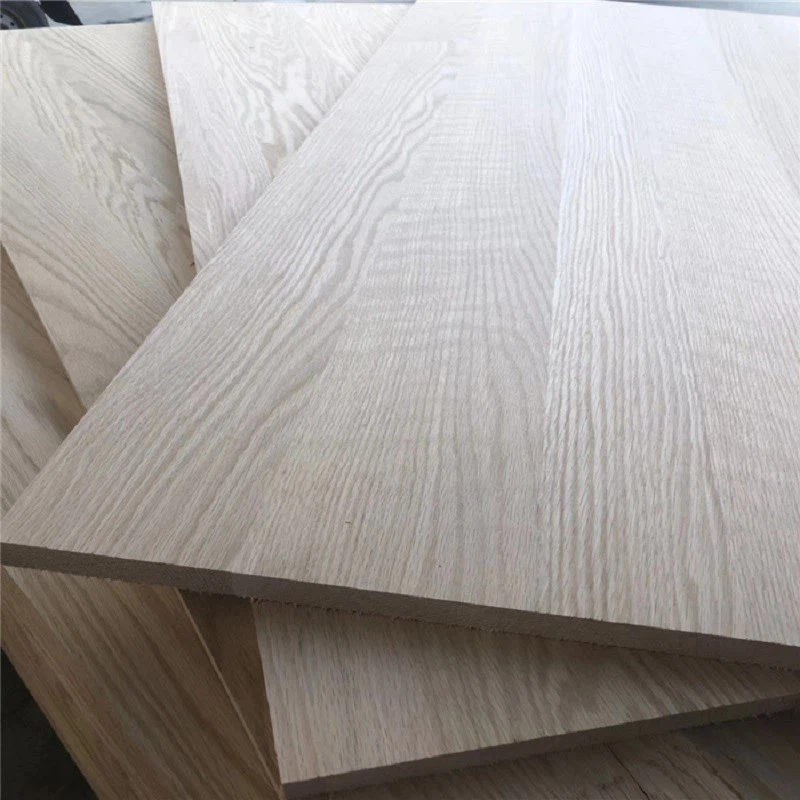
Biscuit joints are great for aligning the boards properly and adding strength to the joint. They're often used in cabinetry, furniture making, and other woodworking projects. You can use a biscuit joiner to cut the slots quickly and accurately.
Choosing the Right Joint Method
When choosing a joint method for your Pine Joints Board project, there are a few things to consider. First, think about the strength requirements. If the joint will be under a lot of stress, like in a heavy - duty table or a load - bearing structure, you'll want to choose a stronger joint like a dovetail or a tongue and groove joint.
Second, consider the appearance. If you're making a decorative piece, like a picture frame or a cabinet front, a miter or dovetail joint may be more appropriate because of their attractive look.
Third, think about your skill level. Some joints, like dovetail joints, require more advanced woodworking skills. If you're a beginner, you may want to start with simpler joints like butt joints or biscuit joints.
Our Pine Products
At our company, we offer a wide range of high - quality Pine Joints Board products. Whether you're looking for Spruce Panel, Pine Wood Sheets, or Pine Desk Top with UV Clear Coating, we've got you covered.
Our pine boards are sourced from sustainable forests and are carefully processed to ensure the best quality. We understand that different projects require different joint methods, and our pine boards are suitable for all the joint methods I've mentioned above.
If you're planning a woodworking project using Pine Joints Board, we'd love to be your supplier. We can provide you with the right boards and offer advice on the best joint methods for your specific project. Whether you're a professional woodworker or a DIY enthusiast, we're here to help you make your project a success.
So, if you're interested in purchasing our Pine Joints Board or have any questions about the joint methods, don't hesitate to reach out. Contact us to start a conversation about your project and let's work together to create something amazing with our pine boards.
References
- "The Complete Guide to Woodworking Joints" by Popular Woodworking Magazine
- "Woodworking Basics: Joints and Techniques" by Fine Woodworking


