


As a supplier of Radiata Pine Wood, I've witnessed firsthand the growing interest in sustainable wood sources. In an era where environmental consciousness is at the forefront of consumer decisions, the question of whether Radiata Pine Wood is sustainable is not just relevant but crucial. This blog aims to delve into the various aspects of Radiata Pine Wood's sustainability, exploring its growth characteristics, environmental impact, and economic viability.
Growth Characteristics of Radiata Pine
Radiata Pine (Pinus radiata), also known as Monterey Pine, is native to a small area of California but has been widely planted in other parts of the world, including New Zealand, Australia, and Chile. One of the key factors contributing to its potential sustainability is its rapid growth rate. Compared to many other tree species, Radiata Pine can reach maturity in as little as 25 to 30 years, making it an attractive option for forestry operations.
This fast growth means that forests can be replenished more quickly, reducing the pressure on natural old - growth forests. For example, in New Zealand, where Radiata Pine plantations cover a significant portion of the land, the forestry industry has been able to harvest and replant these trees on a relatively short cycle. This continuous cycle of growth and harvest ensures a steady supply of wood while minimizing the long - term impact on the environment.
Environmental Impact
Carbon Sequestration
Trees play a vital role in carbon sequestration, and Radiata Pine is no exception. As it grows, it absorbs carbon dioxide from the atmosphere and stores carbon in its biomass. The fast - growing nature of Radiata Pine means that it can sequester a significant amount of carbon in a relatively short period. This is particularly important in the fight against climate change, as reducing the amount of carbon dioxide in the atmosphere helps to mitigate global warming.
Biodiversity
The impact of Radiata Pine plantations on biodiversity is a topic of some debate. On one hand, large - scale monoculture plantations can reduce the natural habitat for native flora and fauna. However, well - managed plantations can also provide some level of habitat. For instance, many forestry companies are now implementing measures to create buffer zones around plantations, which can support native species. Additionally, some plantations are designed with a mosaic of different ages and types of trees, which can increase biodiversity within the plantation area.
Chemical Use
In the management of Radiata Pine forests, the use of chemicals such as pesticides and fertilizers is a concern. However, modern forestry practices are increasingly focused on reducing chemical inputs. Many foresters are adopting integrated pest management strategies, which rely on natural predators and biological controls to manage pests. Similarly, the use of fertilizers is carefully regulated to ensure that they are applied in a way that minimizes environmental impact.
Economic Viability
The economic viability of Radiata Pine Wood is another important aspect of its sustainability. From a supplier's perspective, the fast growth rate of Radiata Pine means that it can be produced at a relatively low cost compared to other types of wood. This makes it an affordable option for a wide range of applications, from construction to furniture manufacturing.

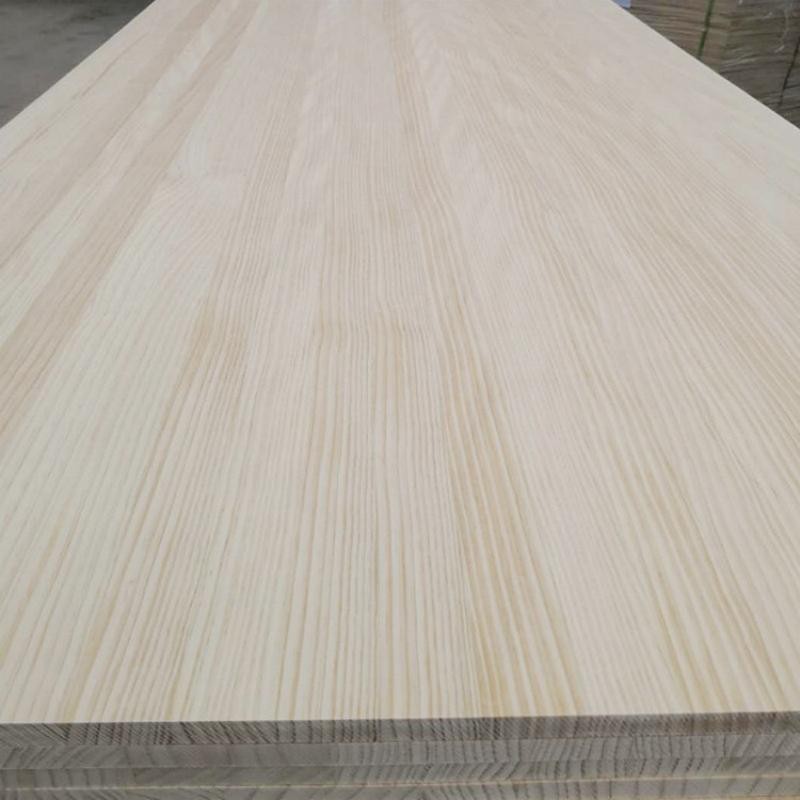
The versatility of Radiata Pine Wood also contributes to its economic success. It can be used to make a variety of products, including Edge Glued Wood Panels, Radiata Pine Wood, and Pine Wood Panels. This wide range of uses ensures a stable market demand, which in turn supports the continued growth of the forestry industry.
Certification and Standards
To ensure the sustainability of Radiata Pine Wood, various certification schemes have been developed. The Forest Stewardship Council (FSC) and the Programme for the Endorsement of Forest Certification (PEFC) are two of the most well - known certification bodies. These organizations set standards for forest management, including requirements for environmental protection, social responsibility, and economic viability.
When a forest or a wood product is certified by one of these organizations, it provides assurance to consumers that the wood has been sourced from a sustainable and well - managed forest. As a supplier, I am committed to working with foresters who adhere to these certification standards, as it not only benefits the environment but also builds trust with our customers.
Challenges and Opportunities
Despite its many advantages, there are still challenges to the sustainable production of Radiata Pine Wood. One of the main challenges is the potential for disease and pest outbreaks. Since many plantations are monocultures, they can be more vulnerable to pests and diseases that target Radiata Pine. To address this, ongoing research is being conducted to develop disease - resistant varieties and more effective pest management strategies.
Another challenge is the need to balance economic interests with environmental and social concerns. While the forestry industry provides jobs and economic benefits, it is also important to ensure that local communities are involved in decision - making processes and that the environment is protected.
However, there are also many opportunities for the future. With the increasing demand for sustainable wood products, there is a growing market for Radiata Pine Wood. By investing in research and development, improving forest management practices, and promoting sustainable certification, the industry can continue to grow while minimizing its environmental impact.
Conclusion
In conclusion, Radiata Pine Wood has the potential to be a sustainable wood source. Its fast growth rate, carbon sequestration capabilities, and economic viability make it an attractive option for the forestry industry. However, to ensure its long - term sustainability, it is essential to address the challenges related to biodiversity, chemical use, and disease management.
As a supplier of Radiata Pine Wood, I am committed to promoting sustainable practices throughout the supply chain. I believe that by working together with foresters, consumers, and other stakeholders, we can ensure that Radiata Pine Wood continues to be a valuable and sustainable resource for generations to come.
If you are interested in purchasing Radiata Pine Wood products, I invite you to contact me to discuss your requirements. Whether you need Edge Glued Wood Panels, Radiata Pine Wood, or Pine Wood Panels, I can provide you with high - quality products that meet your needs. Let's work together to build a more sustainable future with Radiata Pine Wood.
References
- FAO. (202X). State of the World's Forests. Food and Agriculture Organization of the United Nations.
- Forest Stewardship Council. (202X). Principles and Criteria for Forest Stewardship.
- Programme for the Endorsement of Forest Certification. (202X). PEFC Standards.


