


Hey there! I'm a supplier of Solid Poplar Wood, and I've seen my fair share of issues with wood cracking. It's a real pain in the neck, especially when you're trying to provide high - quality products to your customers. In this blog, I'm gonna share some tips on how to prevent solid poplar wood from cracking.
First off, let's understand why solid poplar wood cracks in the first place. The main culprit is moisture. Wood is a natural material, and it loves to absorb and release moisture depending on the surrounding environment. When the moisture content in the wood changes too rapidly, it causes the wood to expand or contract unevenly, leading to cracks.
Proper Drying
One of the most crucial steps in preventing cracking is proper drying. When I get my hands on raw poplar wood, I make sure to dry it slowly and evenly. If you dry the wood too quickly, the outer layers will dry and shrink faster than the inner layers. This creates a lot of stress within the wood, and eventually, it'll crack.
There are two main methods of drying poplar wood: air - drying and kiln - drying. Air - drying is a more natural and cost - effective way. You stack the wood in a well - ventilated area, making sure there's enough space between the boards for air to circulate. It usually takes several months to a year, depending on the thickness of the wood.
Kiln - drying, on the other hand, is a faster process. You put the wood in a kiln, where you can control the temperature and humidity. This allows you to dry the wood more precisely. But be careful! If the temperature in the kiln is set too high or the humidity is too low, it can still cause cracking. I usually aim for a slow and steady kiln - drying process, gradually reducing the moisture content to around 8 - 12%. This is the ideal moisture range for most indoor applications of Solid Poplar Wood.
Controlling the Environment
Once the wood is dried, it's important to keep the environment around it stable. Fluctuations in temperature and humidity can cause the wood to crack. For example, if you have a piece of poplar furniture in a room where the air conditioning is blasting in the summer and the heater is on full - blast in the winter, the wood is gonna have a tough time.
I recommend using a humidifier or dehumidifier to keep the humidity level in the room between 30 - 50%. This will help the wood maintain a relatively stable moisture content. Also, try to avoid placing the wood in direct sunlight or near heat sources like radiators. Sunlight can cause the wood to dry out unevenly, and heat sources can make the wood lose moisture too quickly.
Sealing the Wood
Sealing the wood is another great way to prevent cracking. A good sealant acts as a barrier, preventing moisture from entering or leaving the wood too quickly. There are different types of sealants available, such as varnishes, oils, and stains.
Varnishes provide a hard, protective coating on the wood. They're great for furniture that gets a lot of use, like Poplar Drawer Side Boards. Oils, on the other hand, penetrate the wood, nourishing it and enhancing its natural beauty. They're a good choice for more rustic - looking pieces. Stains not only add color to the wood but also provide some level of protection.
Before applying a sealant, make sure the wood is clean and dry. Sand the surface of the wood to smooth it out, and then apply the sealant according to the manufacturer's instructions. Usually, you'll need to apply multiple coats for maximum protection.
Using the Right Fasteners
When you're working with solid poplar wood, using the right fasteners is important. Nails and screws can cause stress on the wood, especially if they're too big or if they're driven in at the wrong angle. This stress can lead to cracking.
I prefer using screws with a coarse thread. They grip the wood better without causing as much damage. Also, make sure to pre - drill holes for the screws. This will prevent the wood from splitting when you drive the screws in. If you're using nails, use finishing nails and set them below the surface of the wood. Then, fill the holes with wood filler to give the surface a smooth finish.
Proper Storage
If you have extra solid poplar wood in storage, make sure to store it properly. Stack the wood on a flat and stable surface, and use spacers between the boards to allow for air circulation. Cover the wood with a tarp or plastic sheeting to protect it from dust and moisture. But don't make the covering too tight, as it can trap moisture and cause problems.
Choosing the Right Grade of Wood
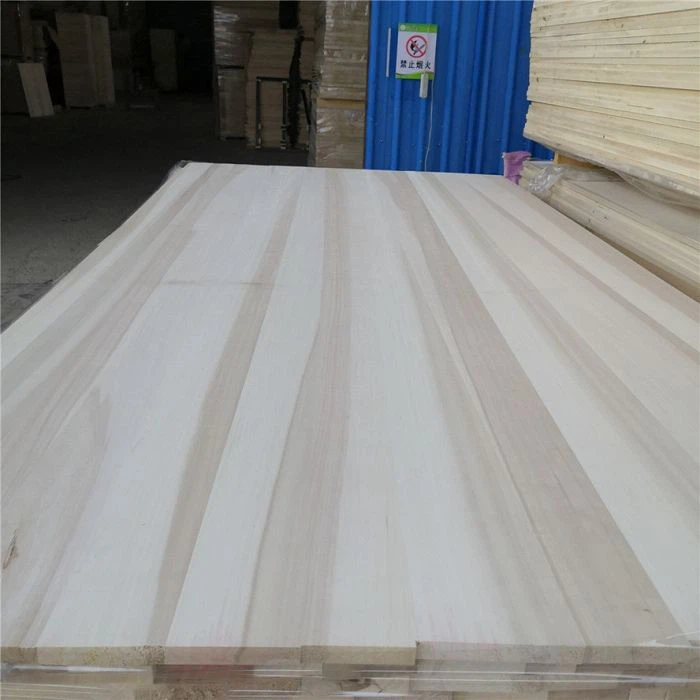
Not all poplar wood is created equal. When you're sourcing poplar wood, make sure to choose a high - quality grade. Lower - grade wood may have more knots, cracks, or other defects, which can make it more prone to cracking.
I always look for wood that has a straight grain and is free from major defects. This kind of wood is more stable and less likely to crack. You can usually tell the quality of the wood by looking at it. A good piece of poplar wood should have a uniform color and a smooth surface.
Maintenance
Regular maintenance is key to keeping solid poplar wood in good condition. Wipe the wood down with a soft, dry cloth regularly to remove dust and dirt. If the wood starts to look dry, you can apply a small amount of wood oil to nourish it.
Also, keep an eye out for any signs of cracking or damage. If you notice a small crack, you can try to repair it with wood filler. But if the crack is large or if it's getting worse, it's best to consult a professional.
In conclusion, preventing solid poplar wood from cracking requires a combination of proper drying, environmental control, sealing, and good maintenance. By following these tips, you can ensure that your poplar wood products last for a long time and look great.
If you're in the market for high - quality Solid Poplar Wood, Poplar Drawer Side Boards, or Poplar Bed Salts, I'm here to help. Whether you're a DIY enthusiast or a professional woodworker, I can provide you with the best poplar wood products. Contact me for more information and let's start a great business relationship!

References
- "Wood Handbook: Wood as an Engineering Material" by the U.S. Forest Products Laboratory
- "The Complete Guide to Wood Finishing" by Robert W. Lang


