


Are pine wood panels prone to termite attacks? This is a question that often crosses the minds of homeowners, contractors, and DIY enthusiasts alike. As a supplier of high - quality pine wood panels, I understand the concerns associated with termite infestations and the impact they can have on wooden structures. In this blog post, I will delve into the susceptibility of pine wood panels to termite attacks, exploring the factors that influence this vulnerability and the steps that can be taken to mitigate the risk.
Understanding Termites and Their Feeding Habits
Termites are small, social insects that feed primarily on cellulose, a complex carbohydrate found in plant materials, including wood. There are several types of termites, but the most common ones that pose a threat to wooden structures are subterranean termites and drywood termites. Subterranean termites live in the soil and build mud tubes to access above - ground food sources, while drywood termites live directly within the wood they infest.
Pine wood, like other types of wood, contains cellulose, which makes it an attractive food source for termites. However, the susceptibility of pine wood panels to termite attacks is not solely determined by the presence of cellulose. Other factors, such as the density of the wood, its moisture content, and the presence of natural or chemical deterrents, also play a significant role.
Factors Affecting the Susceptibility of Pine Wood Panels to Termite Attacks
Wood Density
Pine is a softwood, which generally has a lower density compared to hardwoods. Lower - density woods tend to be more porous, making them easier for termites to penetrate and consume. However, not all pine wood panels are created equal. Some pine species, such as Southern Yellow Pine, are denser and more resistant to termite attacks than others. When selecting pine wood panels, it is important to consider the specific species and its density characteristics.
Moisture Content
Termites thrive in moist environments. High moisture content in pine wood panels can not only attract termites but also weaken the wood, making it more vulnerable to attack. Wood with a moisture content of 20% or higher is particularly susceptible to termite infestations. Therefore, it is crucial to ensure that pine wood panels are properly dried and stored in a dry environment before installation. Additionally, proper ventilation and moisture control measures should be implemented in buildings where pine wood panels are used.
Natural Deterrents
Some pine species contain natural chemicals, such as resins and tannins, that can act as deterrents to termites. For example, redwood and cedar are known for their natural resistance to termites due to the presence of these chemicals. While pine does not have the same level of natural resistance as redwood or cedar, certain pine species may have some degree of protection. However, the effectiveness of these natural deterrents can vary depending on the specific species and the age of the wood.
Chemical Treatments
To enhance the termite resistance of pine wood panels, chemical treatments can be applied. These treatments typically involve the use of pesticides or preservatives that are absorbed into the wood. Pressure - treated pine wood panels, for example, are infused with chemicals under high pressure, which helps to ensure that the treatment penetrates deep into the wood. This type of treatment can significantly reduce the risk of termite attacks and increase the lifespan of the wood.
Our Pine Wood Panels and Termite Resistance
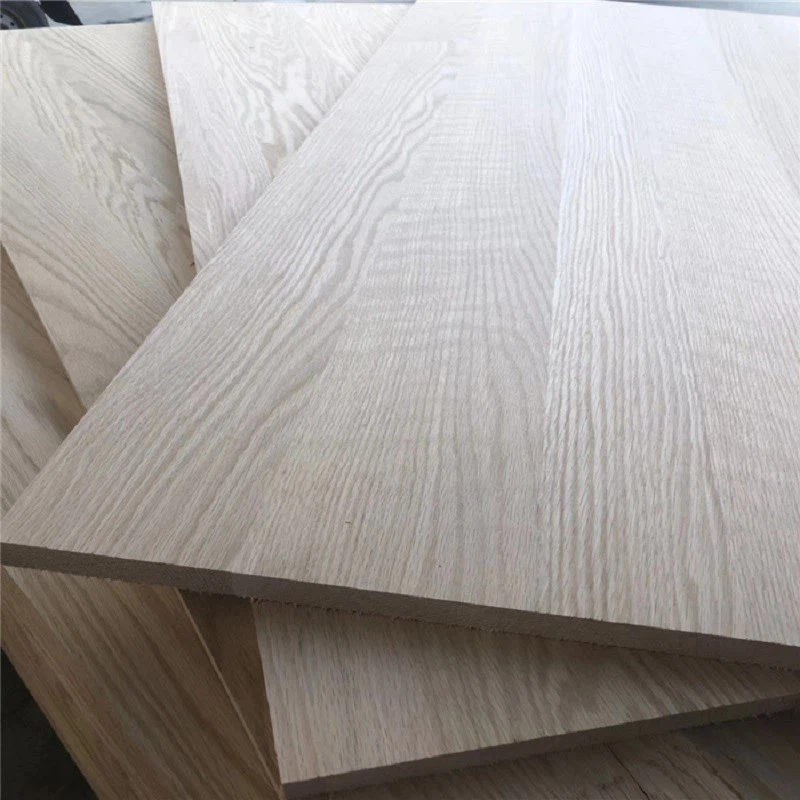
As a supplier of pine wood panels, we offer a range of products that are designed to meet different needs and requirements. Our Edge Glued Wood Panels are carefully crafted using high - quality pine wood, which is selected for its strength and durability. We also offer Pine Wood Sheets and Pine Hardwood Board, which are available in various thicknesses and sizes.
To ensure the termite resistance of our products, we work closely with our suppliers to source pine wood from sustainable forests and implement strict quality control measures. Our pine wood panels can be treated with industry - leading chemical treatments to provide an extra layer of protection against termites. We also offer guidance on proper installation and maintenance to help our customers minimize the risk of termite infestations.
Preventive Measures for Termite Control
In addition to using termite - resistant pine wood panels, there are several preventive measures that can be taken to protect wooden structures from termite attacks.
Regular Inspections
Regular inspections of wooden structures, including pine wood panels, are essential for early detection of termite infestations. Look for signs of termite activity, such as mud tubes, discarded wings, and wood damage. If you suspect a termite infestation, it is important to contact a professional pest control company immediately.
Eliminate Moisture Sources
As mentioned earlier, termites are attracted to moist environments. Therefore, it is important to eliminate any sources of moisture in and around the building. Fix leaky pipes, ensure proper drainage, and improve ventilation to reduce humidity levels.
Maintain a Clearance
Keep a clear space between the soil and wooden structures. Termites can use soil as a bridge to access wooden materials. By maintaining a clearance of at least 6 inches between the ground and the bottom of the pine wood panels, you can reduce the risk of termite attacks.
Conclusion
In conclusion, while pine wood panels are not immune to termite attacks, their susceptibility can be managed through proper selection, treatment, and maintenance. As a supplier of pine wood panels, we are committed to providing our customers with high - quality products that are both durable and termite - resistant. Our range of Edge Glued Wood Panels, Pine Wood Sheets, and Pine Hardwood Board offers a variety of options to suit different projects and budgets.

If you are considering using pine wood panels in your next project and have concerns about termite resistance, we encourage you to contact us. Our team of experts is available to provide you with more information, answer your questions, and assist you in selecting the right products for your needs. Let's work together to ensure that your project is both beautiful and termite - free.
References
- Behr, R. A. (2008). Wood - destroying insects: Identification, biology, and control. University of Kentucky Cooperative Extension Service.
- Scheffrahn, R. H., & Su, N. Y. (2010). Biology and management of drywood termites. In Termites: Evolution, Sociality, Symbioses, Ecology (pp. 319 - 344). Springer.
- USDA Forest Service. (2019). Wood Handbook: Wood as an Engineering Material.


